Ornithologists are, in many ways, straightforward people. Give them a pair of binoculars and a landscape full of life, and they are content. So why would a bird conservationist ever find themselves turning to psychology?
For researchers studying the Barn Owl (Tyto alba), the answer lies not in the bird itself, but in people.
A natural solution, not always welcomed
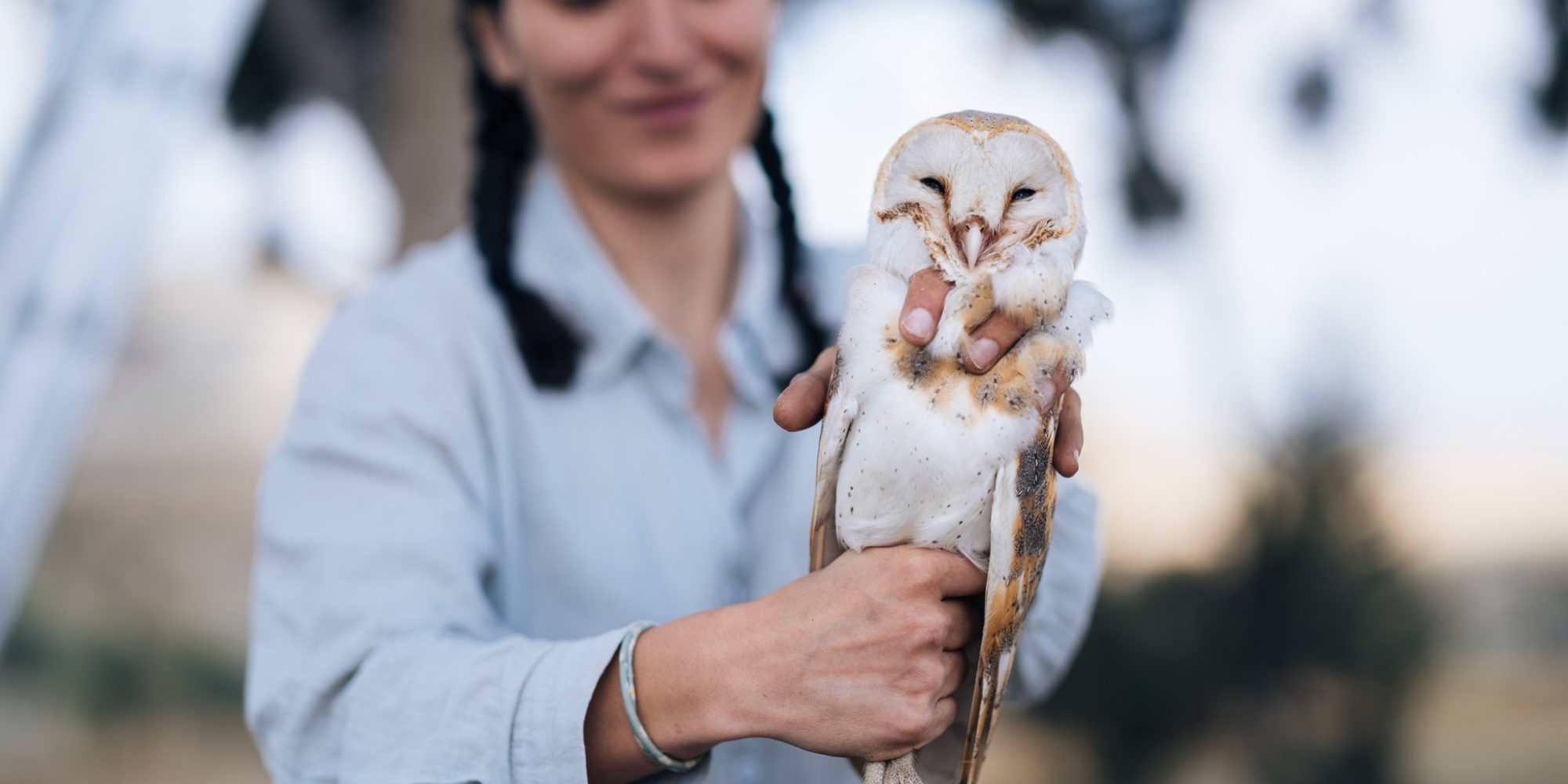
In Cyprus, as elsewhere, the Barn Owl is one of nature’s most effective pest controllers. A single family can consume around 6,000 rodents per year, offering farmers a powerful, free, and environmentally friendly alternative to rodenticides.
This ecological service sits at the heart of Cyprus’ National Action Plan for the reduction of rodenticides using the Barn Owl, which was launched in 2018. The plan, funded by the Ministry of Agriculture, Rural Development and Environment since 2021, brings together key stakeholders including the Department of Forests, Department of Agriculture, Game and Fauna Service, Veterinary Services, BirdLife Cyprus and Bird Focus.
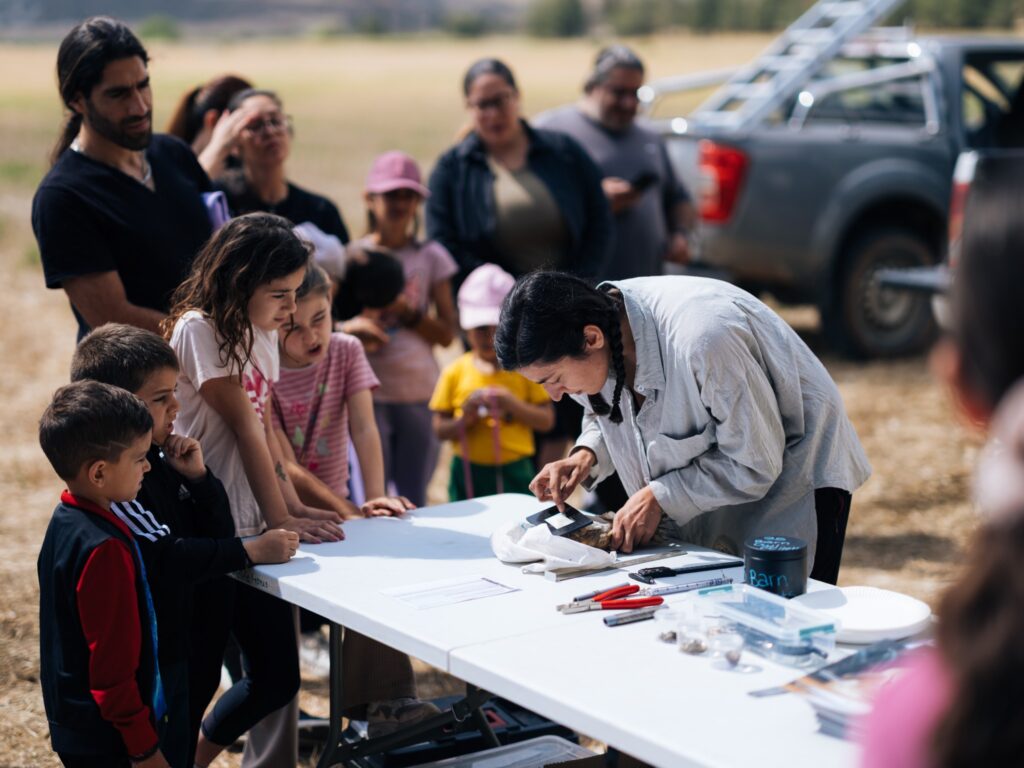
Its goals are both practical and ambitious: mapping and installing nest boxes, studying Barn Owl ecology, and engaging rural communities on the benefits of biological rodent control.
The results are already striking. Since 2021, rodenticide use across Cyprus has decreased by 52%. In some communities, including Paliometocho, Kampia, Kampi tou Farmaka and Mammari, the shift has been so successful that rodenticides have been completely phased out.
And yet, conservation is not only about providing solutions, it is about whether people accept them.
Where psychology comes in
Across parts of the world, Barn Owls are associated with death, misfortune, or black magic. These beliefs are not based on evidence, but they are powerful. The owl’s silent flight, nocturnal habits, unusual calls, and striking appearance can easily evoke fear.
Research led by biologist Alexandre Roulin, psychologist Christine Mohr, and Maël Theubet at the University of Lausanne in Switzerland explores exactly this: why people hold such beliefs, and how they can change. Their global survey, completed by over 20,000 people in more than 100 countries and translated into over 40 languages, examines attitudes towards owls, including here in Cyprus.
The key insight from psychology is simple but important: facts alone rarely change minds.
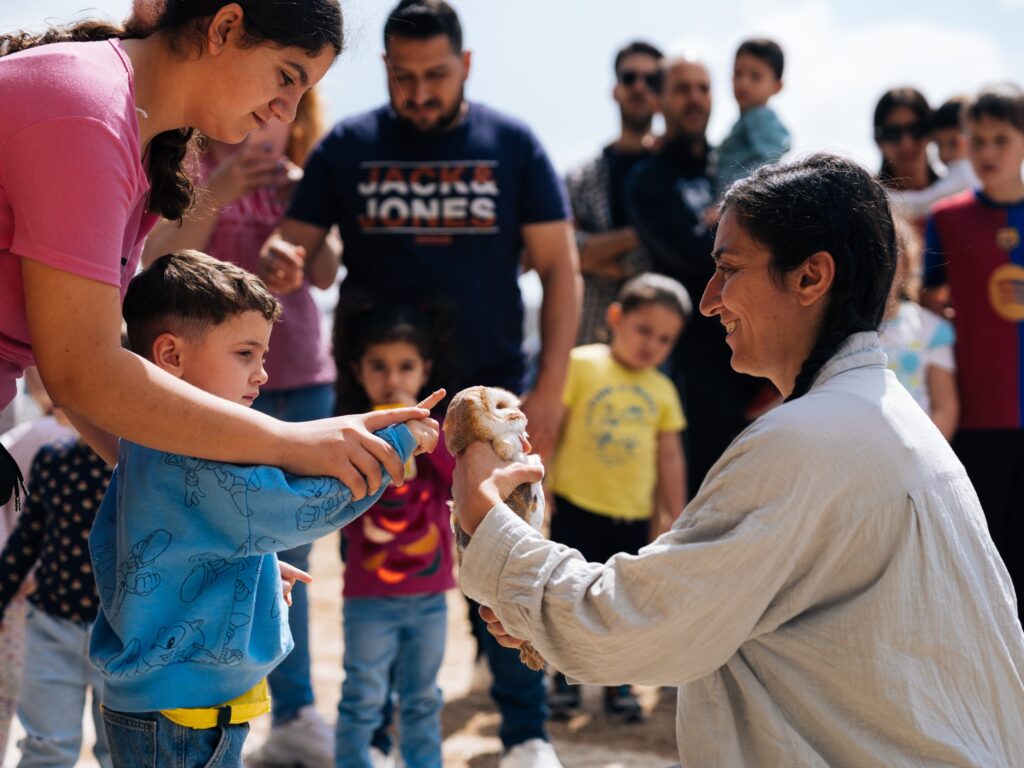
When beliefs are tied to fear or cultural narratives, directly challenging them can even reinforce them. Instead, change tends to happen when people are offered new experiences and alternative ways of understanding.
What people in Cyprus think
Survey results from Cyprus are generally encouraging. Most respondents associate owls with wisdom and intelligence, while largely rejecting links to death, black magic, or misfortune, placing Cyprus in a relatively favourable position for Barn Owl conservation.
However, attitudes are not uniformly positive. Many people report neutral rather than strong emotional connections to owls, and a notable share believe perceptions have become more negative compared to their grandparents’ time. For conservationists, this highlights that progress should not be taken for granted.
Building on strong foundations
The success of the National Action Plan shows what is possible when science, policy, and communities work together. Reduced rodenticide use and strong local engagement demonstrate that Barn Owls are not only accepted, but valued.
At the same time, the research underlines the need to invest in people, not just measures. Encouraging coexistence means addressing fears, creating positive experiences with wildlife, and strengthening people’s connection to nature.
Cyprus has a strong foundation, but it still needs to be built on.
Get involved
If you would like to contribute to this research and help scientists better understand how people perceive owls around the world, you can take part in the survey here.
If you are part of a community in Cyprus and are interested in participating in the National Action Plan for the use of Barn Owls in rodent control, we would be happy to hear from you, please get in touch with us to learn more about how you can get involved.


 English
  Greek
Greek