- Advice
Found a poison bait?
Call the authorities immediately. Contact both the Game and Fauna Service’s Anti-Poison Dog Units and the local police station. Anti-Poison Dog Units: 99 267916 / 99 255086
Poisoning is one of the greatest threats facing vultures and other birds of prey worldwide. A single poison bait can trigger an unpredictable chain of death, with devastating consequences for wildlife, domestic animals and the wider ecosystem. Poison baits are indiscriminate. Birds of prey, foxes, hedgehogs and other wild animals can be poisoned, as can livestock and pets. The toxic substances used can also pose a serious risk to people.
What could a poison bait look like?
Be alert if you find:
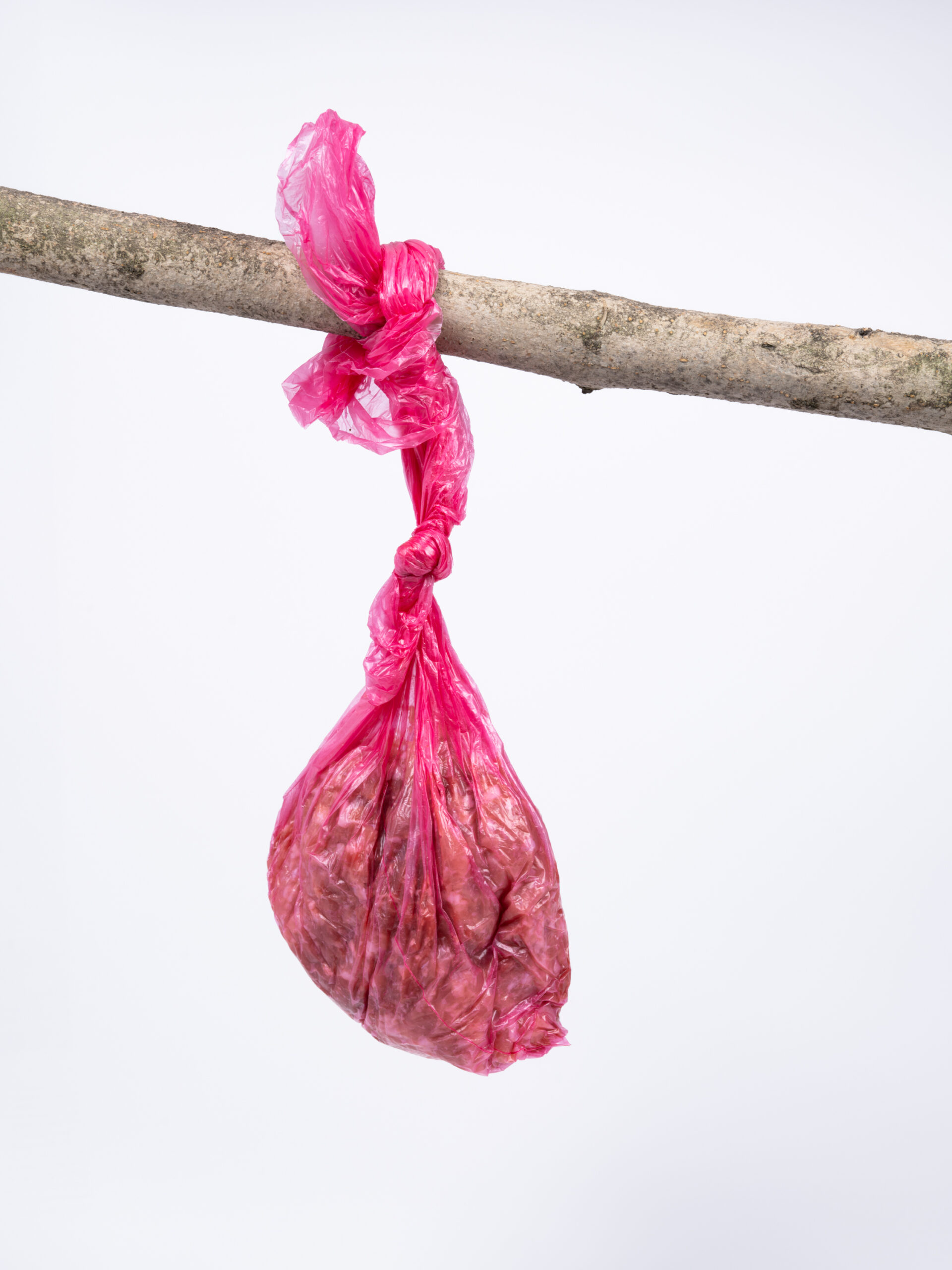
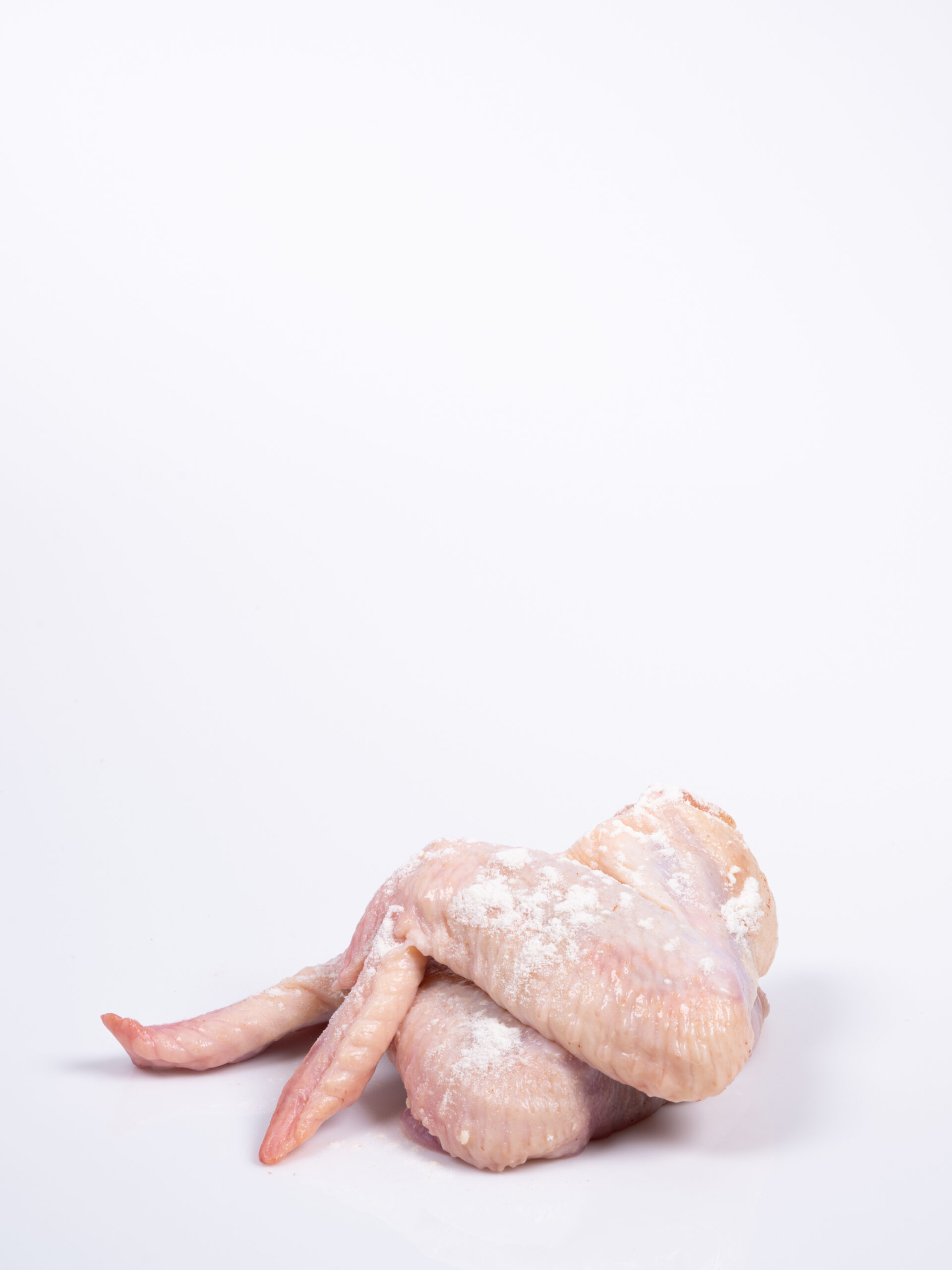
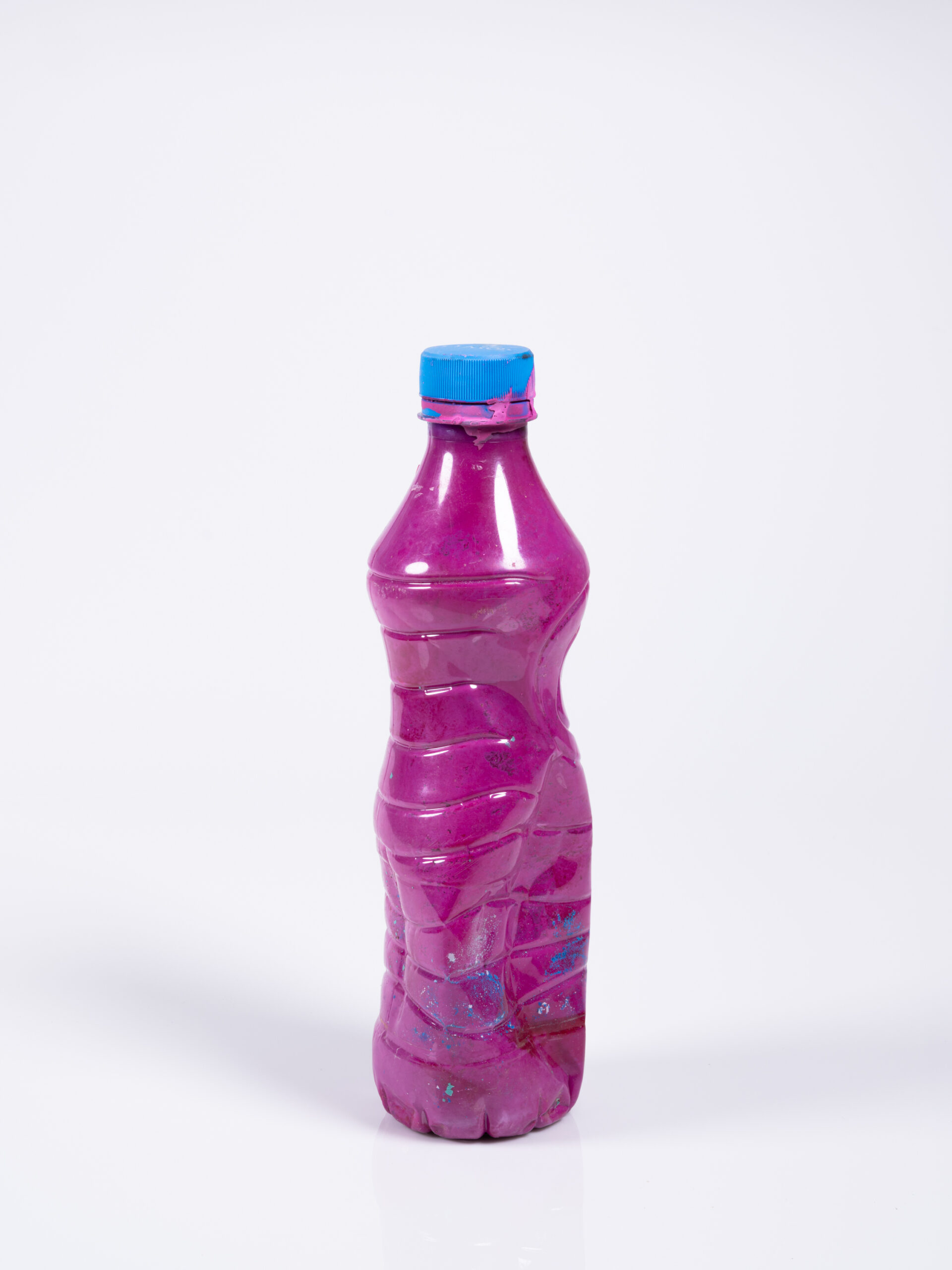
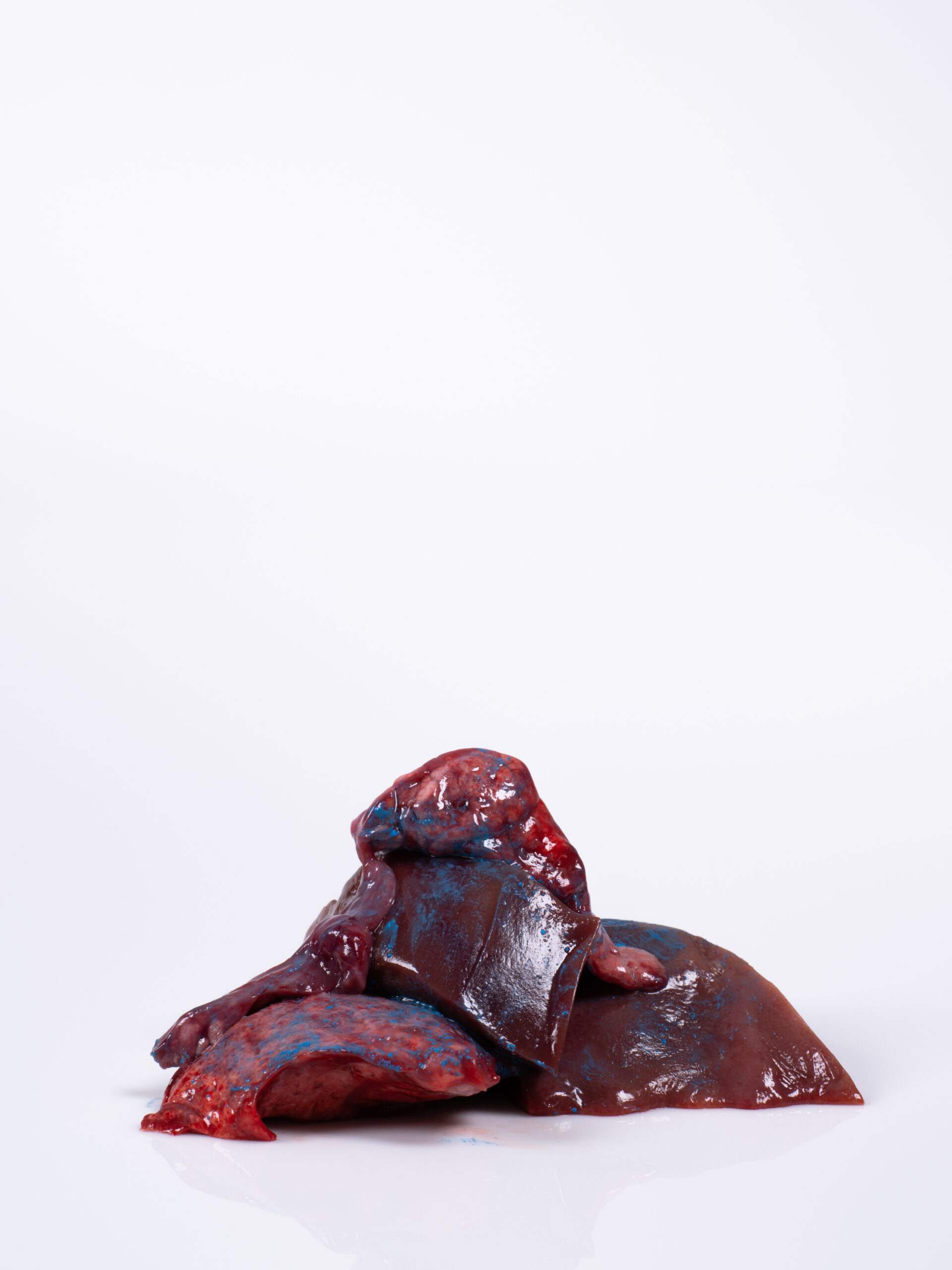
- Pieces of meat, animal remains, eggs, canned food or other food placed in an unusual location
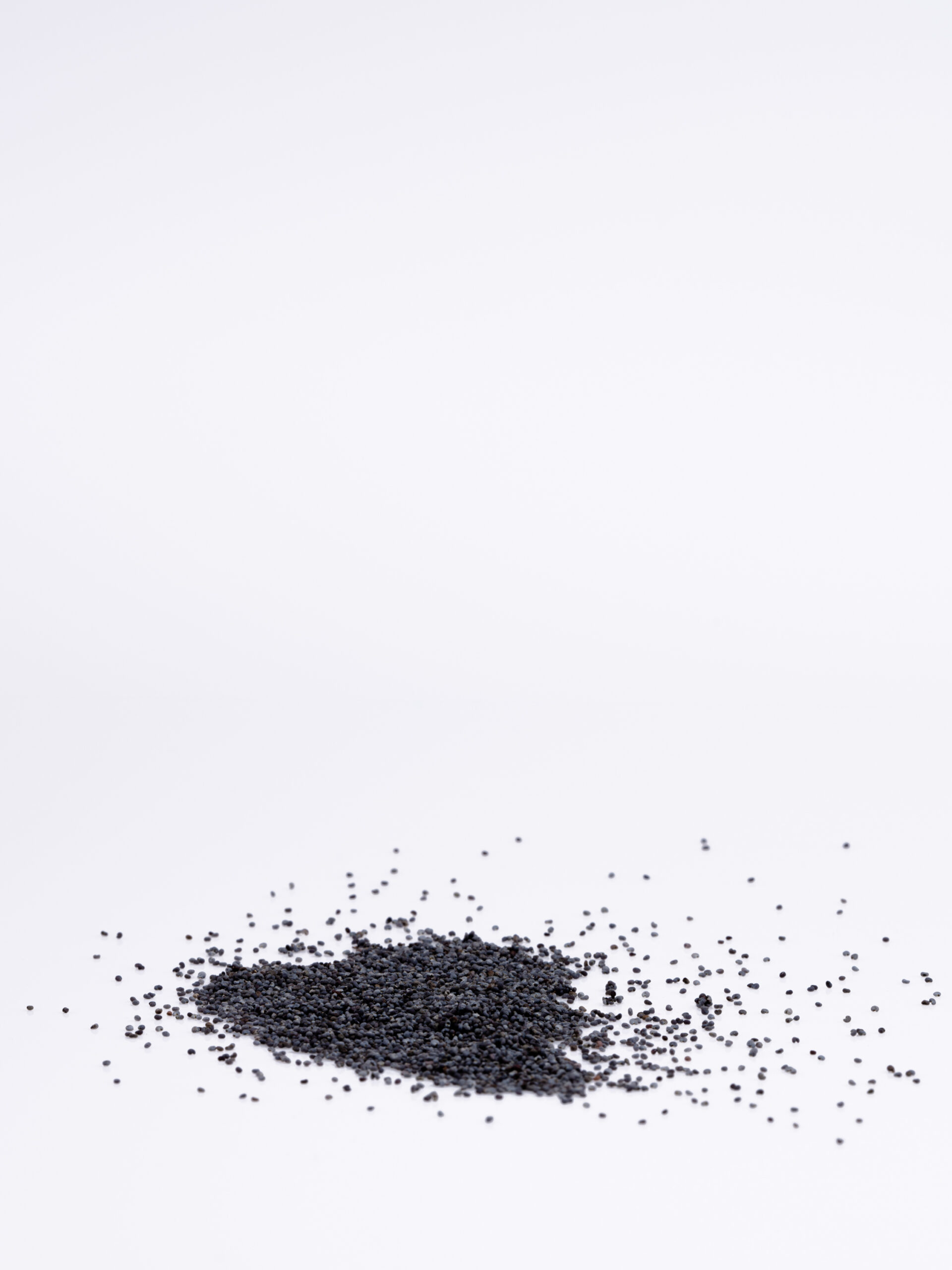
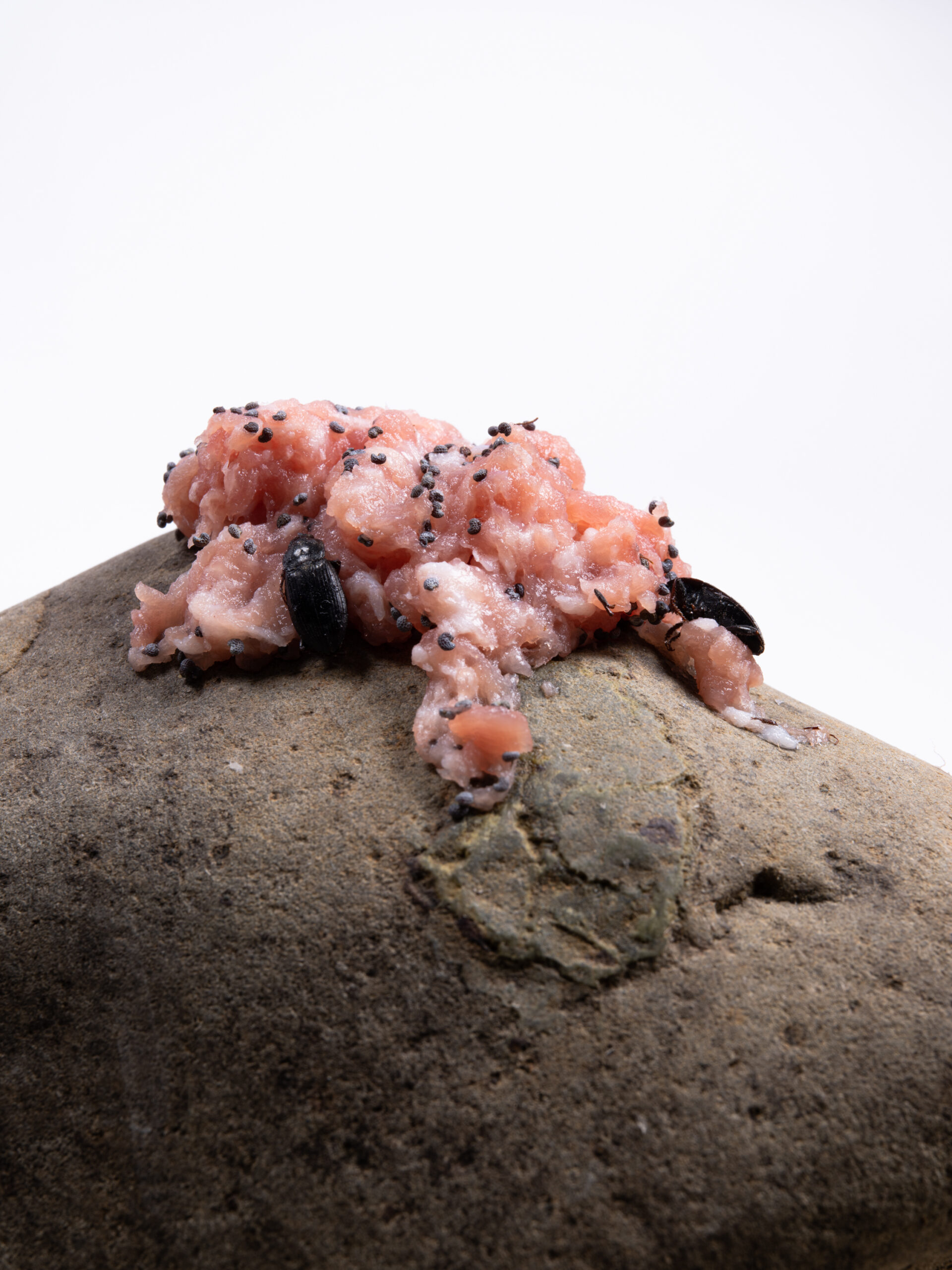
- Food or a carcass containing granules, powder, liquid or another suspicious substance
- One or more dead animals, particularly birds of prey, foxes, dogs or cats
- Several dead animals in the same area
- Dead insects around a bait or carcass
A poisoning incident may not always be immediately obvious. Treat anything suspicious with caution and let the competent authorities assess it.
What should you do?
Keep your distance. Keep children, pets and other people away from the area. Keep dogs on a lead.
Do not touch or move anything. Do not handle, bury or dispose of the suspected bait or any dead or sick animal. Do not lean over or smell it. This could expose you to a toxic substance and compromise evidence from a potential crime scene.
Call the authorities immediately. Contact both the Game and Fauna Service’s Anti-Poison Dog Units and the local police station. Anti-Poison Dog Units: 99 267916 / 99 255086
Provide the exact location. Give the authorities clear directions or send a GPS location pin. Describe what you have seen and the number and type of animals involved. If it can be done without approaching or disturbing the site, a photograph taken from a safe distance may also help.
If possible, remain nearby. Wait at a safe distance until the authorities arrive, without allowing other people or animals to approach. Follow any instructions they give you.
Do not confront anyone. If you saw someone placing the suspected bait, do not approach them. Note any useful details from a safe distance and share them directly with the police.
If a person may have come into contact with the substance or is experiencing symptoms, call 112 immediately. If a pet may have been exposed, contact a veterinarian urgently and do not attempt to make the animal vomit unless instructed to do so.
Why reporting matters
Placing poison baits is a wildlife crime punishable by law. A rapid report can allow the Anti-Poison Dog Units to locate and remove other poison baits or animals before more wildlife or pets are affected. Reporting also helps the authorities preserve evidence, investigate the incident and identify those responsible. Even if you are unsure whether something is poisoned, it is better to report your suspicion and allow trained personnel to assess it.
Cyprus’ Anti-Poison Dog Units
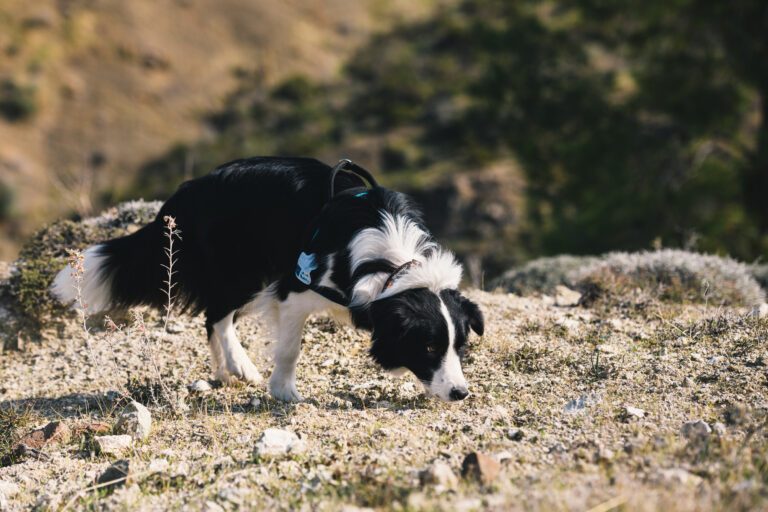
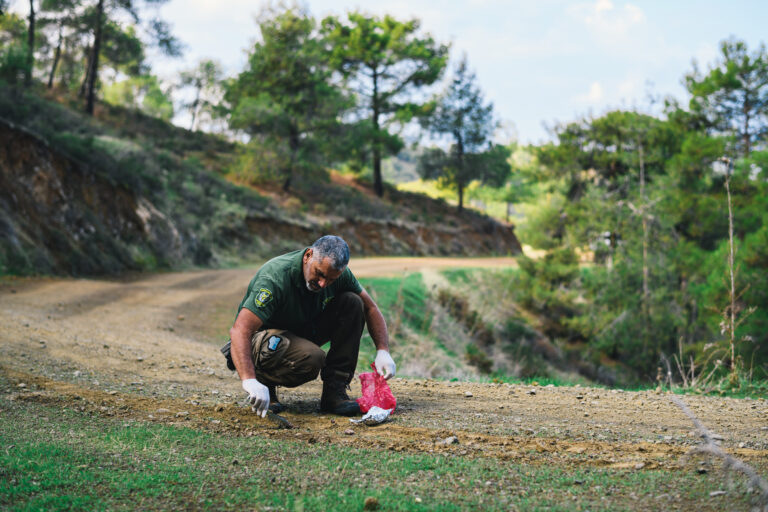
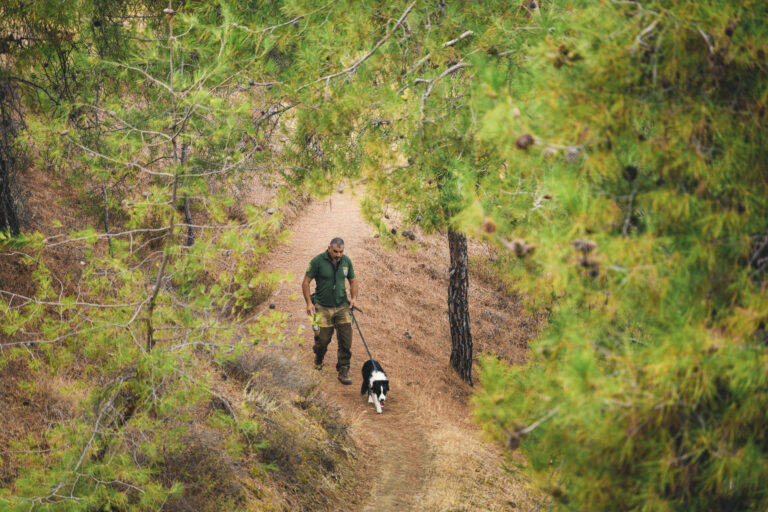
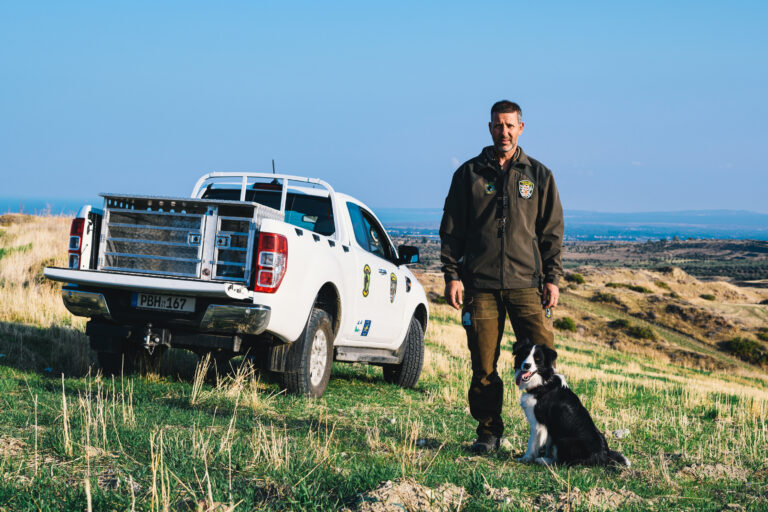
Cyprus’ first two Anti-Poison Dog Units operate within the Game and Fauna Service. The specially trained dogs and their handlers search for poison baits and poisoned animals, respond to suspected incidents and help prevent further deaths. Their work also contributes to a better understanding of the extent and distribution of illegal poison use in Cyprus and strengthens the investigation of wildlife crime.
Save these numbers on your phone: 99 267916 and 99 255086.
 English
  Greek
Greek