
Our first legal appeal resulted in landmark suspension of works at Pentakomo
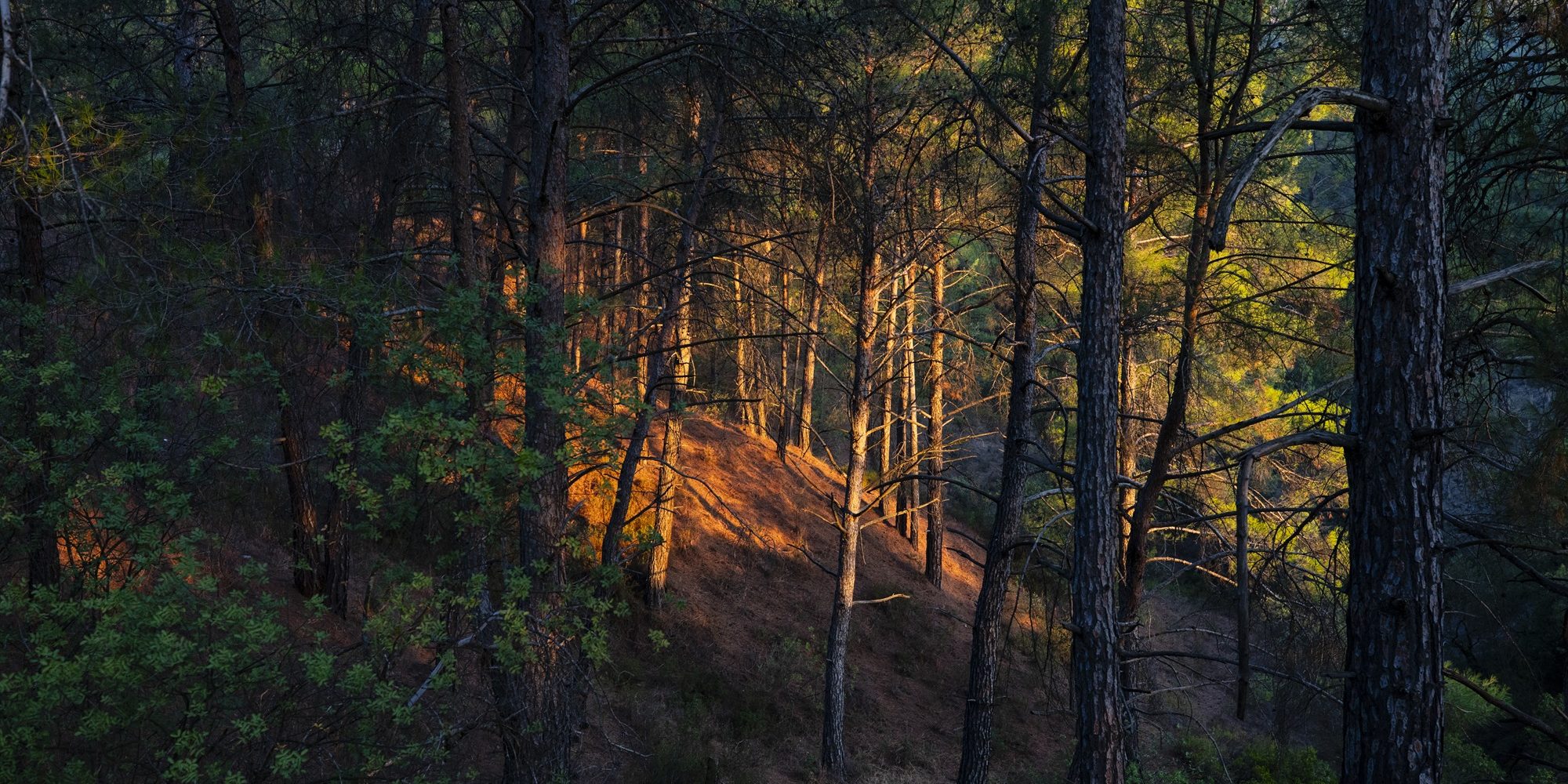
In January 2025, BirdLife Cyprus and Friends of the Earth Cyprus filed a court appeal against the urban planning permit for the construction of an aquaculture port at Pentakomo coastline. This legal battle, the first one for BirdLife Cyprus, isn’t just about stopping this development, it's a high stakes fight to defend one of Cyprus’s last remnants of a wild coastline to the south of the island and to safeguard biodiversity. The port threatens the habitat of the Mediterranean monk seal, one of the rarest marine mammals in Europe, which uses this stretch of coast for resting and feeding. Moreover, our appeal aims to address serious procedural failures: the project was approved without an Appropriate Assessment, in violation of both Cypriot law and the EU Habitats Directive. In April 2025, the Administrative Court issued an interim order halting construction of the port for about 6 weeks. This was a landmark decision and was the first time in Cyprus that a large-scale development was suspended solely on environmental grounds. For us, this ongoing legal battle goes beyond the Pentakomo coastline and safeguarding the future of the Mediterranean monk seal and its habitat. A win would set a powerful legal precedent, strengthening nature’s voice in court and affirming civil society’s right to challenge environmentally destructive projects. At its heart, this fight is about making sure that economic development does not override Cyprus’s natural heritage, especially when so much is at risk.
First breeding attempt seen among released vultures
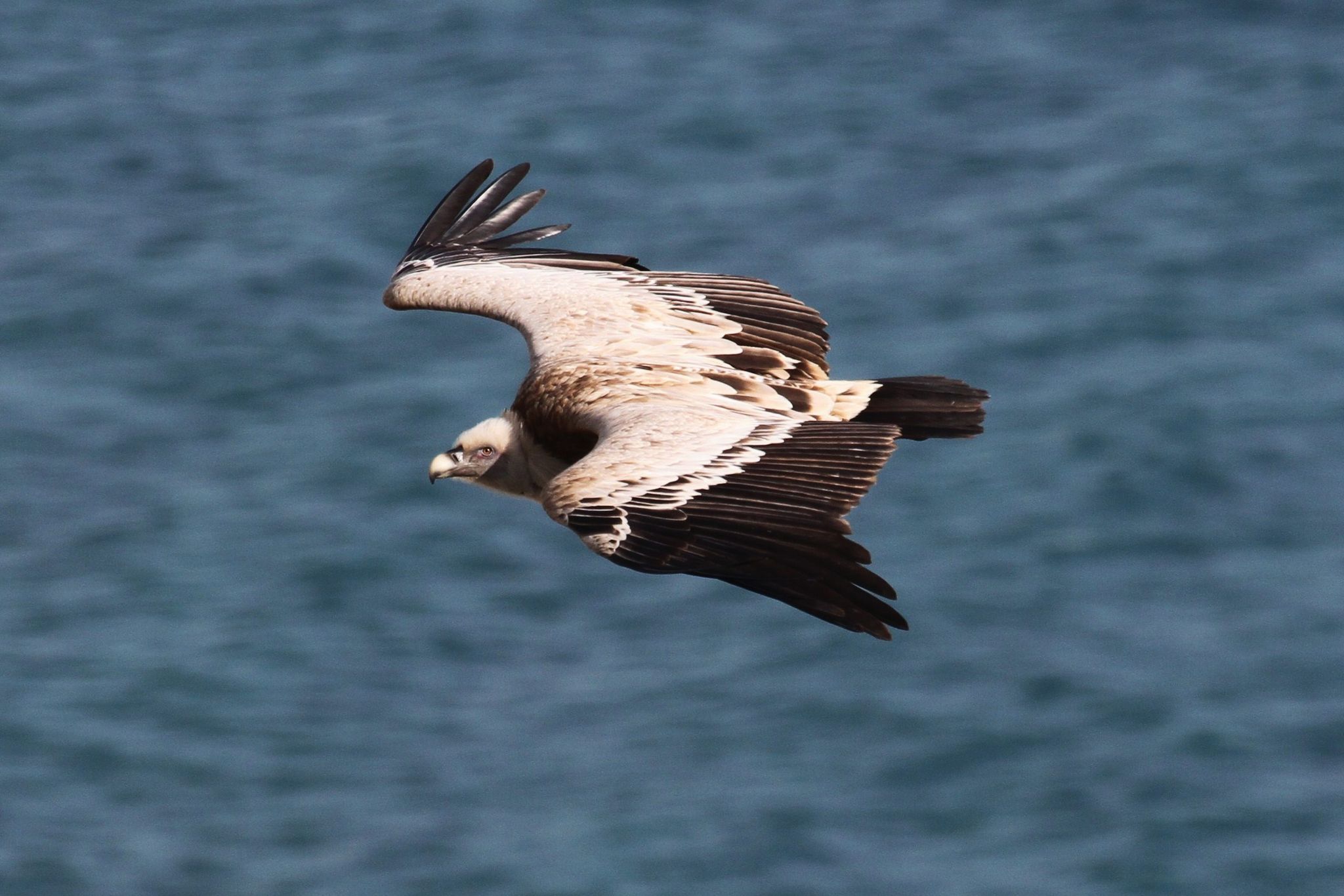
In 2025, the fourth transport of Griffon Vultures from Spain to Cyprus was completed, releasing another 14 vultures and bringing the population to 43 individuals. All Griffon Vultures brought from Spain are juveniles and are not expected to reach breeding maturity until they are five to six years old, therefore successful breeding has not yet been recorded. However, promising sign of their successful integration into the established population was the observation of the first breeding attempt between two released individuals in spring 2025. The pair, with names Poco and Minimoni, two four-year-old Griffon Vultures, made a nest on a remote cliff face at the edge of Paphos Forest. Minimoni laid an egg in March 2025, and together with Poco they incubated it for several weeks. Probably due to their young age and inexperience, the egg did not hatch, however, this is a significant milestone in the successful reinforcement of the Griffon Vulture population and provides hope of successful breeding in the coming years.
We launched our school programme at Thkio Mosfilies nature reserve
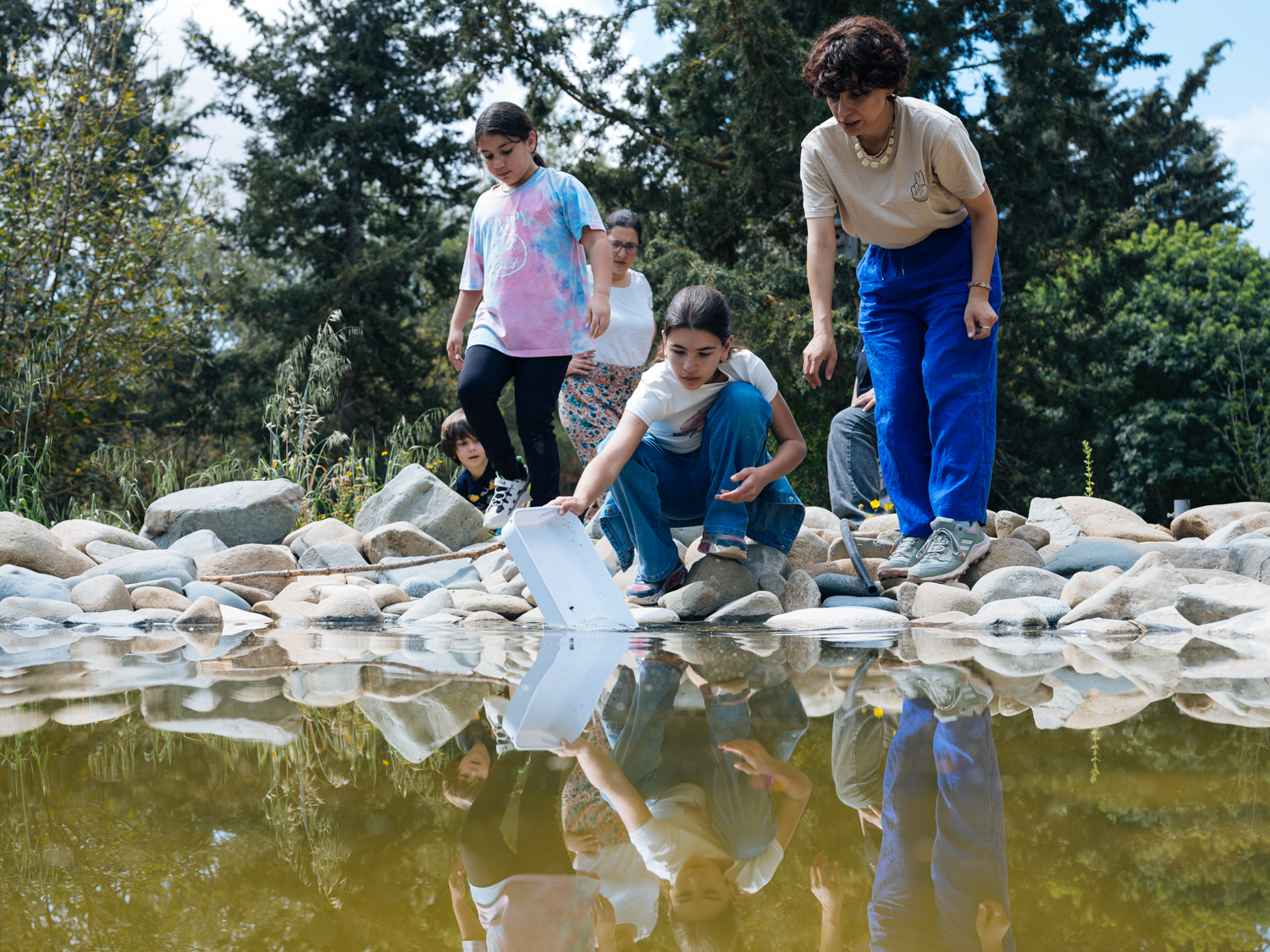
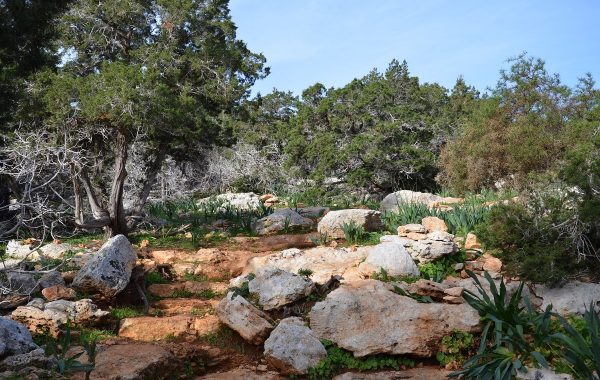
This year marked the start of our school programme at Thkio Mosfilies, our outdoor education space. The programme aims to connect children with nature through interactive and experiential activities. Together with 600 primary and middle school students we observed and identified minibeasts of land and water, we planted trees and shrubs, released ringed birds and shared the joy of being surrounded by birds and nature. Located in the Famagusta district near the villages of Frenaros, Avgorou, and Vrysoulles, our nature reserve is our first targeted effort to create and maintain a rich and diverse habitat that supports plants, insects, birds, and other wildlife as well as an outdoor education space for the local communities and beyond.
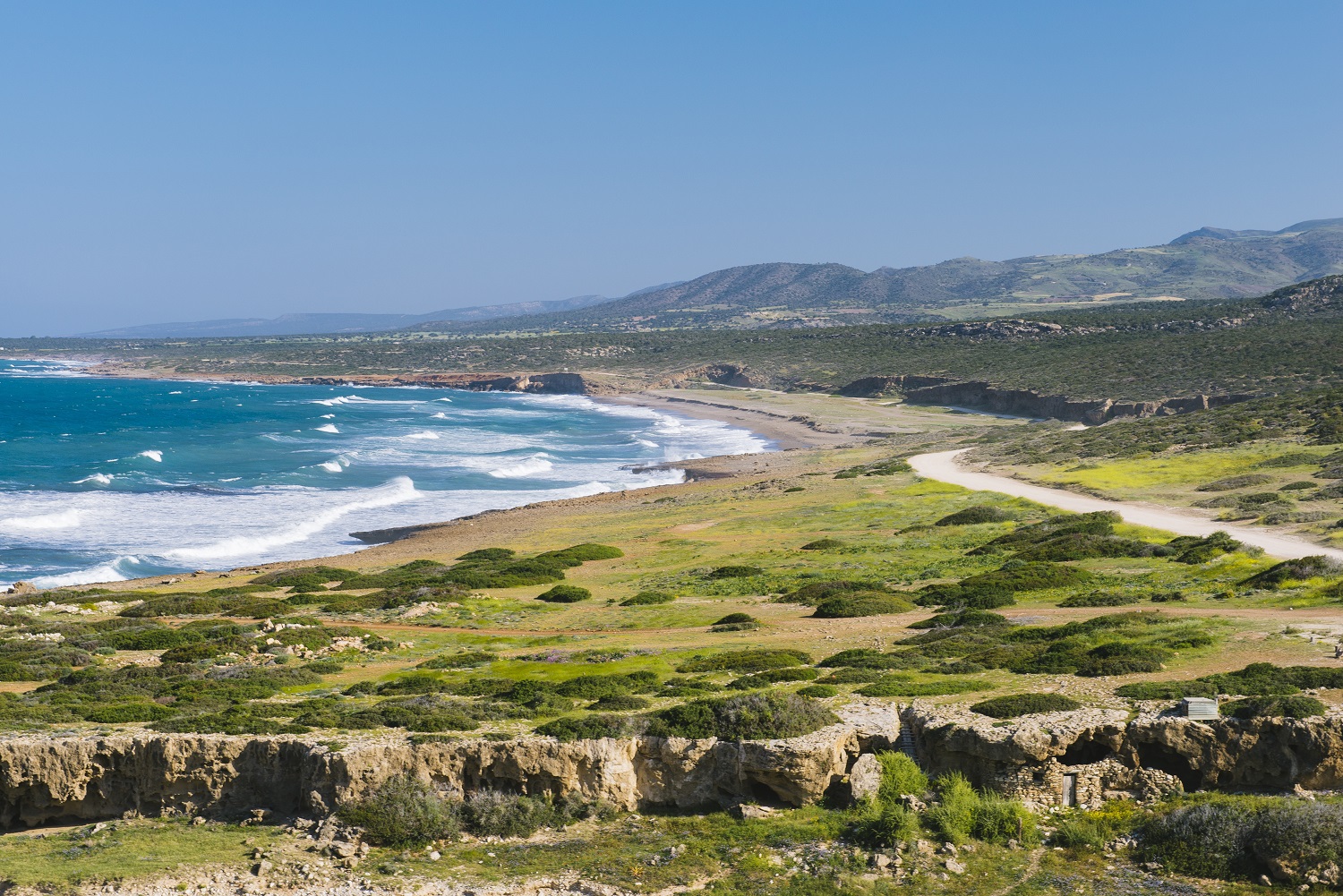
Major environmental win for sea turtles in Akamas
In 2025, BirdLife Cyprus celebrated a decisive step forward for the protection of the Akamas Peninsula. The Department of Environment rejected a proposal for a large-scale development of 69 luxury villas at the entrance of Akamas, near Toxeftra beach in Peyia. The protected Lara–Toxeftra area has long been recognised for its exceptional importance to Cyprus’ two nesting sea turtle species, the Loggerhead (Caretta caretta) and the Green Turtle (Chelonia mydas). The Appropriate Assessment clearly demonstrated that the proposed project would cause severe and irreversible damage to the sensitive Akamas ecosystem, including significant light and noise pollution that would disrupt sea turtle nesting. As an active member of the ad-hoc Committee evaluating the project, BirdLife Cyprus strongly opposed its licensing, highlighting the unacceptable risks the development would pose. This decision marks an important milestone for the long-term protection of Akamas, and it also showcases the impact of BirdLife Cyprus’ sustained advocacy in safeguarding one of the island’s most iconic natural treasures.

Completion of Article 12 project & 1,392 bird surveys
We successfully completed the Article 12 project, delivering to the European Commission the official bird status report for Cyprus under a service contract with the Game and Fauna Service. Article 12 of the EU Birds Directive requires Member States to report every six years on the status and trends of their bird species, and for the 2019–2024 cycle, this meant compiling and analyzing data for 185 species that breed, winter, and pass through Cyprus. Our Monitoring Team, supported by our volunteer surveyors, carried out an impressive 1,392 surveys and extensive data analysis to produce robust population estimates, distributions, and trends, as well as compiling information on the threats and pressures affecting birds in Cyprus. Thanks to this monumental effort, Cyprus was the first EU Member State to submit its Article 12 report, a proud moment that underscores the critical policy relevance of our long-term monitoring programmes, which provide the evidence base for national and EU-level decisions on bird conservation and the management of Special Protection Areas.

 English
  Greek
Greek